Inside Algorithms: How UK Slot Apps Use Player Data to Customize Payout Structures and Loyalty Rewards
Morgan Wolf · Sep 12, 2026
Inside Algorithms: How UK Slot Apps Use Player Data to Customize Payout Structures and Loyalty Rewards
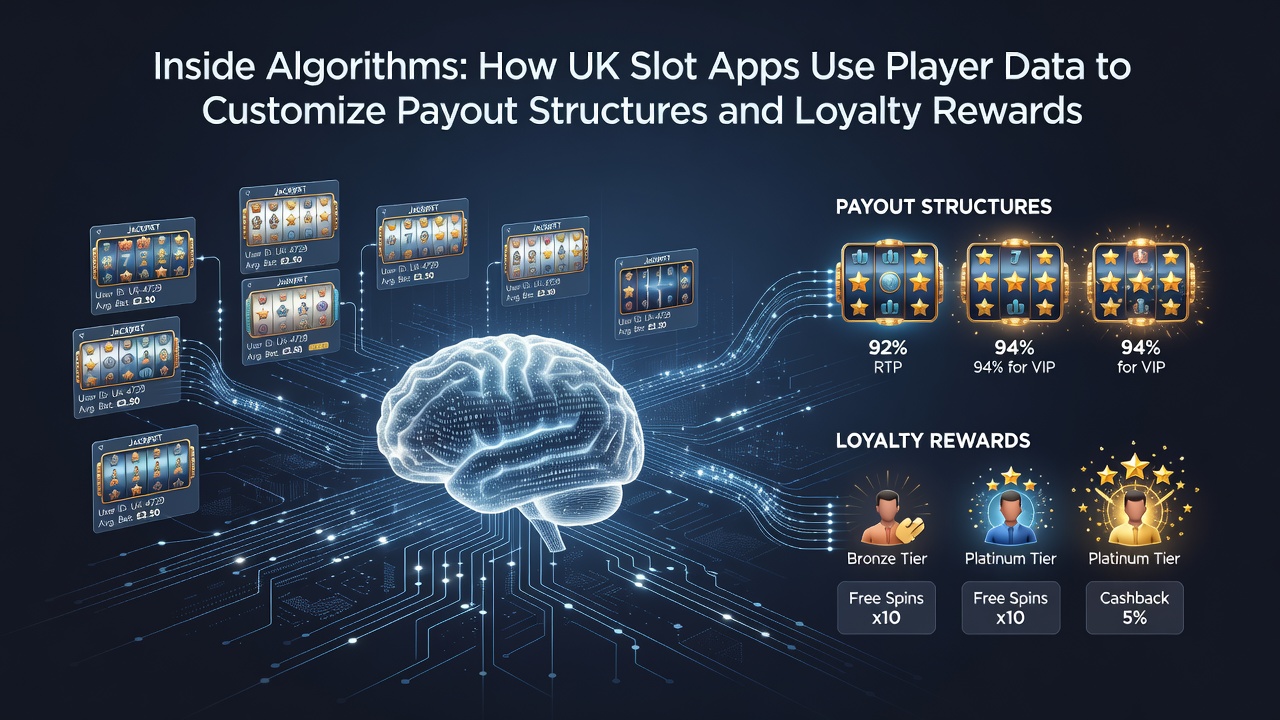
UK slot apps collect extensive player data through every session, including spin frequency, bet sizes, win patterns, and time spent on specific games, then feed that information into algorithms designed to adjust payout structures and loyalty rewards on an individualized basis. Researchers have documented how these systems process behavioral metrics in real time, allowing developers to modify return-to-player percentages or trigger personalized bonus rounds without altering the base game code visible to users. Data shows that patterns such as extended losing streaks often prompt immediate shifts in reward offers, while consistent high-stakes play correlates with elevated loyalty tier assignments across multiple platforms.
Data Collection Mechanisms in Slot Applications
Slot apps gather information at multiple touchpoints, from initial registration details through ongoing gameplay telemetry, and observers note that this creates detailed profiles used for customization. Session length combines with deposit frequency and game preference data to build models that predict when a player might respond to a targeted promotion, according to industry reports. In September 2026 several major operators implemented enhanced tracking protocols that integrate device usage data with in-app behavior, expanding the variables available for algorithmic analysis while remaining compliant with broader data protection frameworks.
Those who have examined these systems report that loyalty programs rely heavily on segmented player clusters derived from historical performance metrics, which determine reward allocation rather than uniform bonus structures applied across all accounts. Figures from gaming analytics firms reveal that players falling into high-engagement clusters receive offers with higher perceived value, including free spins calibrated to their typical wager amounts, whereas lower-activity accounts encounter more conservative reward schedules.
Algorithmic Adjustments to Payout Structures
Algorithms evaluate real-time and historical data to influence elements like bonus trigger rates or feature frequency within individual sessions, and experts have observed that these modifications occur through backend parameters rather than changes to the published return-to-player figures. A study conducted by the University of Nevada, Las Vegas Center for Gaming Research examined similar personalization techniques in regulated markets and found that player retention metrics improved when reward timing aligned closely with detected behavioral signals. University of Nevada Las Vegas Center for Gaming Research documentation outlines how such adjustments maintain overall mathematical integrity while varying experiential outcomes for different user segments.
What's interesting is that payout customization often manifests through dynamic bonus features rather than direct RTP alterations, with algorithms prioritizing offers that encourage continued play based on prior session outcomes. Canadian regulatory analyses have tracked comparable practices and noted that transparency requirements in certain provinces have prompted clearer disclosure of how data influences reward delivery, providing a reference point for other jurisdictions examining similar frameworks.

Loyalty Reward Personalization Through Behavioral Modeling
Loyalty systems in UK slot apps segment users into tiers using predictive models that weigh total wagered amounts against session frequency and game variety, then deliver rewards scaled to those classifications. Research indicates that players who demonstrate loyalty through regular deposits receive accelerated progression toward higher tiers, accompanied by tailored incentives such as cashback percentages or exclusive event access. One analysis from the Australian Institute of Criminology highlighted how data-driven loyalty structures in digital gambling environments correlate with increased player lifetime value when rewards match individual engagement rhythms.
But here's the thing: these models also incorporate risk indicators, such as rapid deposit patterns, to calibrate reward frequency and prevent overexposure, according to aggregated industry data. Observers note that September 2026 saw several UK-facing platforms introduce voluntary data dashboards allowing users to review the metrics influencing their tier status, reflecting evolving standards around algorithmic accountability in the sector.
Integration of Regulatory and Technical Standards
Technical standards require that any personalization remains within licensed parameters, and figures from European gaming technology associations demonstrate that audit trails must capture every algorithmic decision affecting payouts or rewards. Those who've studied cross-border operations find that UK apps often align their data practices with multiple regulatory expectations to facilitate smoother market access, incorporating elements from frameworks established in North America and Oceania. American Gaming Association reports on player analytics provide comparative context showing how segmentation techniques have evolved to balance retention goals with compliance obligations across different licensing regimes.
Conclusion
UK slot apps continue to refine algorithmic approaches that translate player data into customized payout elements and loyalty rewards, with developments through September 2026 underscoring ongoing integration of behavioral insights into operational models. Industry documentation and academic examinations confirm that these systems operate on aggregated metrics to deliver differentiated experiences while operating inside established technical and data governance boundaries.