How Third-Party Testing Labs Shape Fairness Standards in Britain's Regulated Slot Ecosystems
Elena Neumann · Nov 21, 2026
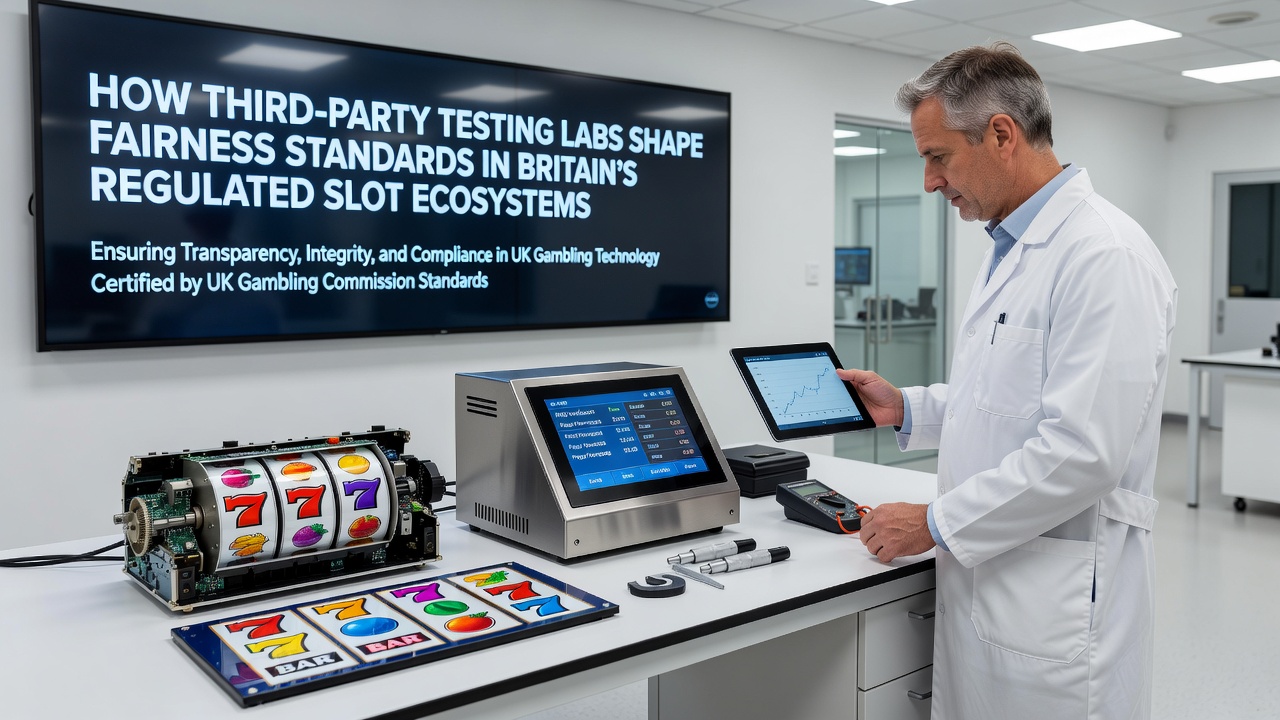
How Third-Party Testing Labs Shape Fairness Standards in Britain's Regulated Slot Ecosystems
Third-party testing labs operate as independent evaluators that verify random number generators, return-to-player percentages, and overall game integrity across Britain's slot market, and their assessments feed directly into licensing requirements that operators must meet before launching any title. These organizations conduct repeated test cycles on both land-based machines and digital platforms, applying statistical models that detect deviations from expected randomness while confirming payout structures align with declared figures over millions of simulated spins.
Core Functions of Independent Verification
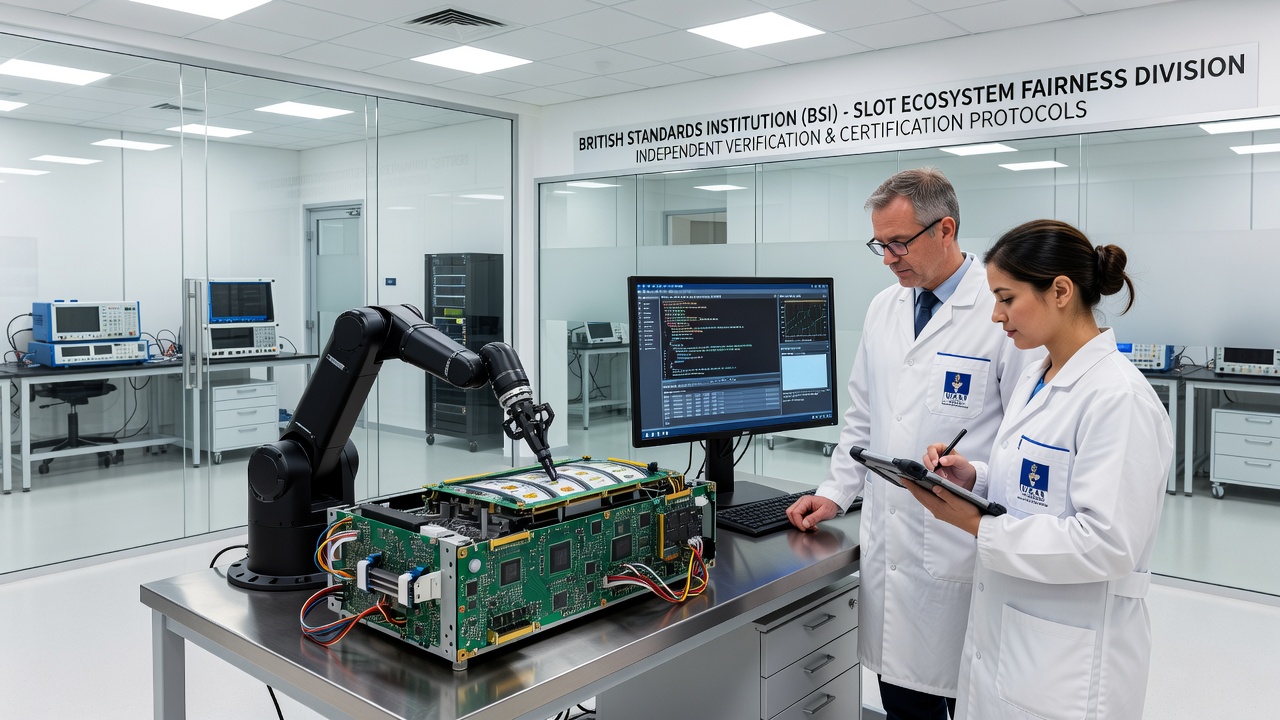
Testing protocols begin with source code review, where engineers examine the underlying algorithms to ensure no hidden variables can alter outcomes after deployment, and this step often extends to hardware checks on physical cabinets that house the software. Labs then run extensive simulation batches that log every result, producing reports that regulators and operators use to confirm compliance, while follow-up audits occur at regular intervals to catch any post-certification modifications. Data from the Alcohol and Gaming Commission of Ontario indicates that similar verification cycles have reduced reported discrepancies in payout reporting by measurable margins in comparable jurisdictions.
Observers note that labs maintain strict separation from both game developers and site operators, which prevents conflicts that could compromise result accuracy, and this independence allows them to flag issues such as clustering patterns or RNG seeding problems before titles reach the public. Certification seals issued by these entities appear on approved games, giving players visible markers that the titles have passed external scrutiny rather than relying solely on internal claims.
Technical Standards and Testing Methodologies
Standards cover everything from entropy sources in RNG modules to the precise calculation of theoretical return percentages, with labs employing chi-square tests, serial correlation analysis, and diehard battery suites to validate statistical soundness. Mobile slot versions undergo additional scrutiny for platform-specific variables like operating system updates that might affect execution, and cross-device consistency checks ensure the same game delivers equivalent fairness on tablets, phones, and desktop clients. Researchers at the University of Nevada, Las Vegas International Gaming Institute have documented how these layered protocols adapt when new game mechanics, such as cascading reels or multiplier ladders, introduce fresh variables that require updated test parameters.
Turnaround times for full certification typically range from several weeks to a few months depending on game complexity, yet labs accelerate certain phases when operators submit modular code that reuses previously validated components. Re-testing becomes mandatory after any software patch or content update, which keeps certified libraries current and prevents drift between approved versions and live deployments. Britain's slot providers therefore integrate lab feedback loops into their development pipelines, adjusting parameters early to avoid costly delays at the certification stage.
Market-Wide Effects on Compliance and Player Protections
Because certification is a prerequisite for legal operation, third-party labs effectively set de facto technical thresholds that all participants must clear, and this creates a level baseline across competing operators. When one lab identifies a vulnerability in a popular RNG library, the finding often propagates through industry channels, prompting other providers to adopt equivalent safeguards even before formal mandates update. Annual industry reports show rising numbers of games receiving multi-lab endorsements, which signals growing operator investment in redundant verification as a competitive differentiator.
November 2026 marks the scheduled rollout of updated technical appendices that labs will apply to both new submissions and legacy titles undergoing renewal, and preparation work has already begun with pilot programs testing expanded entropy requirements and enhanced logging standards. These forthcoming changes build on existing frameworks rather than replacing them, allowing operators and labs to phase in modifications without disrupting live service.
Conclusion
Third-party testing labs continue to anchor fairness verification in Britain's slot sector by supplying documented, repeatable evidence that games meet technical criteria before and after launch. Their role extends beyond initial approval into ongoing monitoring that supports regulatory oversight, and the upcoming November 2026 updates will further integrate these external assessments into the compliance landscape. Operators that maintain close coordination with accredited labs position themselves to meet evolving benchmarks efficiently while preserving the statistical integrity that underpins player trust in regulated environments.